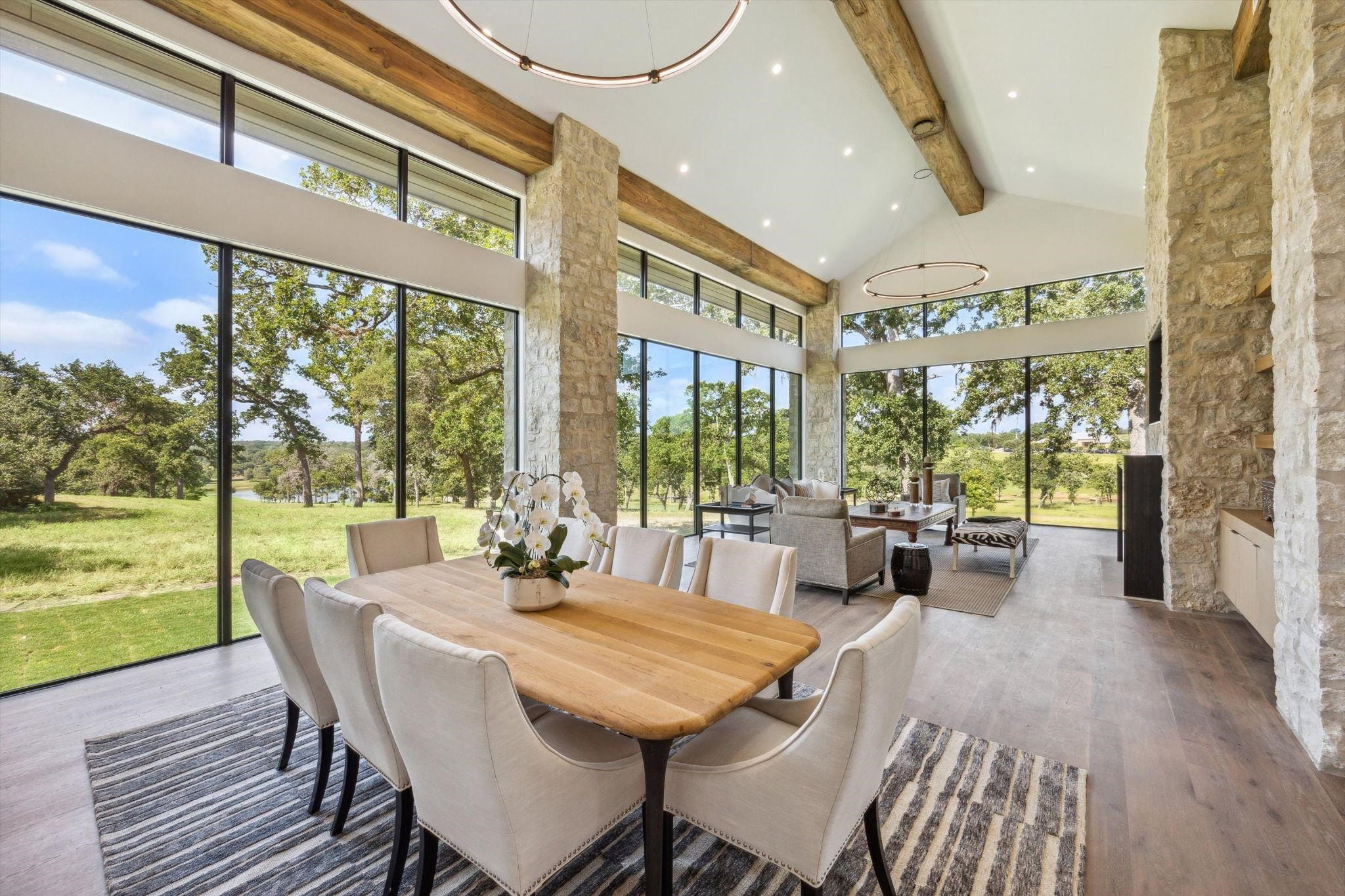
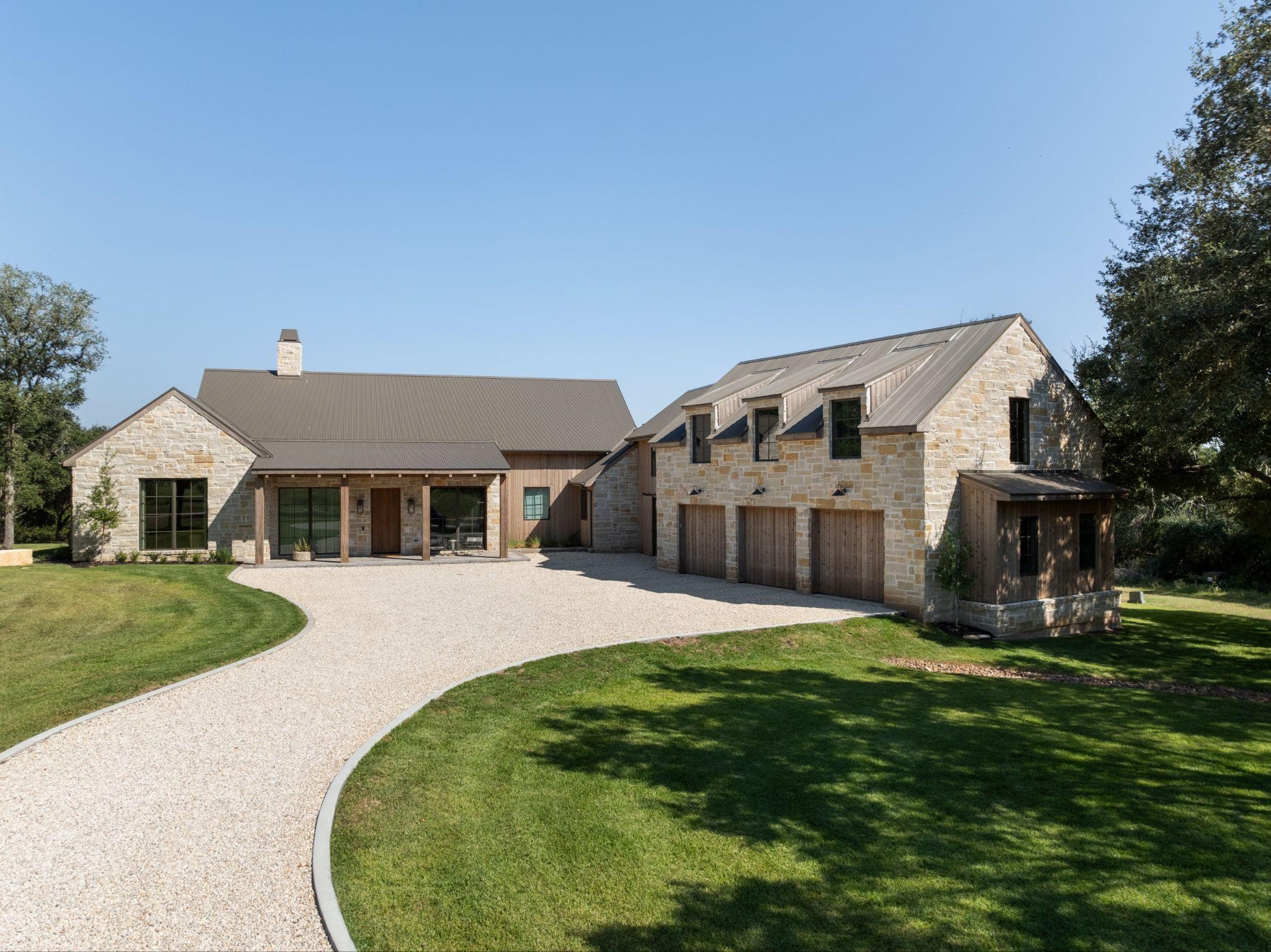
How to buy land in Texas comes down to one idea: the land shapes the home, not the other way around. Get the parcel right, and the design almost wants to happen. Get it wrong, and you can lose months and real money before anyone pours a foundation. Maybe you are after a second home. Maybe a place to retire. Either way, the land you choose decides what you can build on it. This guide covers what to check before you sign, so the parcel you buy supports the custom home design you have in your head.
Start With the Land, Not the Floor Plan
Most people start with the house in their head and go looking for land to fit it. Flip that. The land comes first.
Slope, orientation, access, setbacks. Each one decides where a house can sit and how it lives on the site. A gentle slope with good morning light makes a single-story ranch easy. A steep or awkward lot can run up the site work, but do not write it off too fast. A hard parcel often hides the best views, and an odd shape can push a floor plan somewhere more interesting than a flat rectangle ever would. Read right, a difficult site tends to make a better home, not a worse one.
At Brickmoon Design, we collaborate closely as a team and shepherd each client through the entire process from start to finish. That work is most useful before a purchase closes. Walk a property with the design in mind, not just the view. That is how you learn whether a parcel welcomes your home or fights it. Good placemaking begins there.
Order a Survey and Read the Title Carefully
Two documents tell you the truth about a piece of land. A current survey. A title commitment.
A boundary survey shows where the property lines actually fall. That is rarely where a fence or a tree line suggests. It also maps easements, encroachments, and flood-prone ground. An old survey can miss changes to the land or the parcels next door, so order a current one. Do not rely on whatever the seller hands you.
The title commitment lists what is attached to the property. Liens. Mineral rights. Access agreements. Recorded easements. In Texas, mineral rights are often severed from the surface, meaning someone else may own what lies beneath your land. None of this has to kill a deal. You just want to know it before closing, not after.
Understand Easements and Access
An easement lets someone else use part of your land for one purpose. A utility line. A shared driveway. A neighbor’s road access. Easements can decide where you are allowed to build, and a badly placed one can erase a buildable area entirely.
Access matters just as much. A beautiful parcel with no recorded right of access to it from a public road is a real problem. Confirm clear, deeded access before you go further. This matters most on rural acreage, where the road may cross several owners’ land.
Check Soil, Drainage, and Flood Risk
Texas soil isn’t a single thing, and it shows up in your foundation budget. Much of the state sits on expansive clay. It swells and shrinks with moisture, which can call for a more engineered foundation. A geotechnical report, a soil report, tells you what you are building on before you commit to an approach.
Water deserves the same attention. Find out whether any part of the parcel sits in a FEMA flood zone. Learn how water moves across the site during a hard Texas rain and where it pools. Those answers shape where the home sits, how the site is graded, and whether you need extra engineering.
Confirm Utilities and Water
In town, utilities are a given. In terms of acreage, they become one of the biggest variables in the whole budget.
- Water: Municipal supply or a well? Well costs swing with depth and location, and the water itself should be tested. Some areas regulate pumping through a local groundwater district.
- Septic: Most rural properties need a septic system, what Texas calls an on-site sewage facility, and the site has to pass a soil evaluation to determine which system works.
- Electricity: Find out how far the nearest service runs and what it costs to bring it in. Long runs to a remote building site add up fast.
- Internet and propane: Easy to forget. Worth confirming early, especially for a second home or a retirement property where connectivity is not optional.
Map all of this before you buy. It is how you avoid land that looks like a deal and turns expensive the moment you try to live on it.
Verify Deed Restrictions, HOAs, and County Rules
Even on wide-open Texas acreage, you are rarely free to build whatever you want. Deed restrictions can govern home size, height, exterior materials, and whether you can add a barn, a guesthouse, or a pool house. Subdivisions and ranch communities often run an architectural review committee with its own approval process.
County rules vary a lot. Some counties barely look. Others have real permitting and floodplain requirements. Know the rules for your specific parcel before you buy. It keeps what you want to build and what the property allows in sync from day one.

Think About How You’ll Live on the Land
A custom home is a long decision, so picture the days on it. Where does the sun come up, and where does it set? Which views do you frame, and which do you screen out? How far is the building site from the road, and how do the driveway, landscaping, and outdoor rooms factor in?
The clients we work with are usually planning a second home or a retirement home. For them, these questions carry as much weight as the technical ones. The land becomes the setting for years of gatherings, slow mornings, and the home they grow into. That is placemaking, and it is the part we care about most.
Bring Your Architect in Before You Buy
The most useful move in buying land for a custom home is simple. Bring your architect in early, before the purchase closes. A good residential architect reads a parcel for what it can hold. They flag the easement, soil, and access issues that drive cost. They show you the kind of home the land actually wants.
We work across Texas, from the Hill Country to the Houston and Lake Conroe areas, where our lake house design work overlaps with acreage builds. You can look through completed custom home projects from around the state to see the range. We shepherd each client through the whole process, start to finish, and that starts well before design, the moment you are deciding whether a parcel is the right one.